

Imagine the irresistible aroma of warm, freshly boiled eggs, their creamy yolks peeking through delicate shells, ready to enhance any meal. Quick to prepare and packed with protein, these versatile gems are perfect for busy families or a healthy snack. Discover a simple yet foolproof method for achieving tender, delicious results every time. Let’s dive into this easy recipe!
Ingredients you’ll Need for Perfect Boiled Eggs
Main Ingredients
To achieve the perfect boiled eggs every time, you’ll want to gather a few essential ingredients that are simple yet vital for delivering that deliciously tender yolk and creamy texture. Hear’s what you’ll need:
- Eggs: Fresh, large eggs (about 6-12 depending on your needs). Fresh eggs yield a firmer white, while slightly older eggs are easier to peel.
- Water: Enough to cover the eggs by at least an inch in a saucepan.
- Ice (optional): About 2 cups for an ice bath to stop the cooking process and make peeling easier.
Preparation
To cook your eggs to perfection, follow these steps closely for a foolproof experience:
- Prepare the eggs: Place the eggs in a saucepan and gently add enough water to cover them by at least an inch.
- Bring to a boil: Turn the heat to high and listen as the water reaches a rolling boil, wich should take about 10-12 minutes depending on the number of eggs.
- Timing is key: Once the water is boiling,immediately cover the saucepan and turn off the heat.Let the eggs sit in the hot water for 9-12 minutes based on desired doneness (9 for soft-boiled, 12 for hard-boiled).
- Shock the eggs: After the time is up, transfer the eggs to an ice bath for at least 5 minutes to halt cooking.
Equipment
For this recipe, you’ll need a few key tools to ensure your eggs turn out perfectly:
- Saucepan: A medium-sized one that can hold the eggs comfortably without overcrowding.
- Lid: To cover the saucepan once the water is boiling, allowing the residual heat to cook the eggs.
- Slotted spoon: To gently transfer eggs to the ice bath without cracking them.
- Ice bath container: A bowl large enough to hold ice and water, ensuring the eggs cool quickly.
Serving and Storage
Perfectly boiled eggs make for a versatile addition to any meal. You can enjoy them right away, or store them in the refrigerator for up to one week. Keep the shells on until you’re ready to eat to maintain freshness. Serve them sliced on salads, as a satisfying snack, or mashed into a creamy spread.
Variations
If you want to experiment with your boiled eggs,consider these delicious alternatives:
- Jamaican style: Add a dash of vinegar to the boiling water for an extra tangy flavor.
- Spicy Boiled Eggs: Sprinkle with chili powder or paprika once peeled for a kick.
- Herbed Eggs: Infuse the boiling water with fresh herbs like dill or bay leaves for subtle flavor enhancements.
- deviled Eggs: Use the hard-boiled eggs to make a classic deviled egg filling with mayonnaise and mustard.
- Marble Tea Eggs: Simmer eggs cracked shells in a mix of tea and soy sauce for uniquely flavorful,marbled eggs.
Essential Kitchen Equipment for Cooking Boiled Eggs
To achieve perfectly boiled eggs, having the right tools at your disposal is paramount.These essential kitchen items not only streamline the process but also ensure beautiful results every time. Whether you prefer your eggs soft or hard-boiled, these pieces of equipment will help you reach egg-cellent perfection.
Key Equipment
- Large Saucepan: A sturdy saucepan is essential for boiling eggs. It allows you to bring a sufficient amount of water to a rolling boil, which is crucial for evenly cooked eggs.
- Steamer Basket: Using a steamer basket can elevate your boiling method. By steaming rather of submerging the eggs, you can achieve tender whites without risking rubbery textures.
- Cooking Timer: Precision is key when boiling eggs. A reliable timer will help you avoid overcooking, ensuring a perfect yolk and tender white.
- Slotted Spoon: This handy tool is perfect for gently removing the eggs from hot water without breaking the shells.It also allows excess water to drain, preventing residual moisture.
- Ice Bath Container: A large bowl filled with ice and water is essential for quickly cooling your eggs post-cooking. this stops the cooking process and helps achieve easier peeling.
Serving and Storage
Once your boiled eggs are cooked to perfection, transfer them to an ice bath for at least 5-10 minutes to cool down. This not only enhances the texture but also simplifies peeling. Cooked eggs can be stored in the refrigerator for up to one week. Keep them in their shells until ready to eat to maintain freshness. When serving,sprinkle with a pinch of salt or serve alongside your favorite sauces for extra flavor.
Variations
Explore delightful variations to your boiled eggs with these alternatives:
- Herbed Soft-Boiled Eggs: Sprinkle fresh herbs like dill or chives over soft-boiled eggs for a burst of flavor.
- Deviled Eggs: Mash the yolks with mayonnaise, mustard, and spices for a savory treat that’s perfect for gatherings.
- Spicy Pickled Eggs: Soak boiled eggs in a spicy vinegar solution for a zesty snack or appetizer.
- Egg Salad: Combine chopped boiled eggs with mayonnaise, celery, and seasonings for a classic, creamy sandwich filling.
- Asian Soy Sauce Eggs: Marinate boiled eggs in soy sauce and spice them with ginger and garlic for a delightful umami touch.
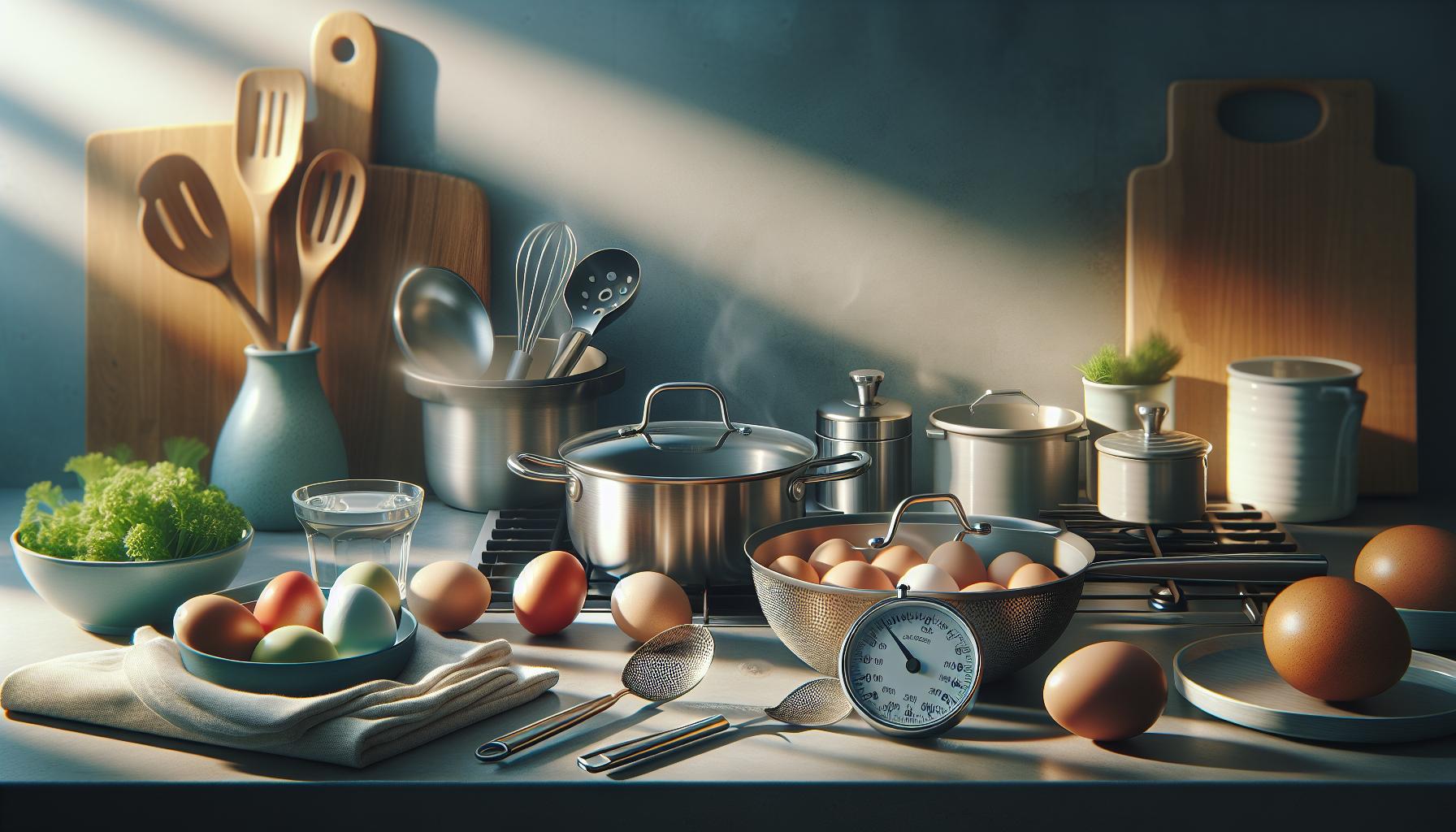
Simple Preparation Method for boiled Eggs
Creating perfectly boiled eggs is both an art and a science, offering consistent results that elevate your culinary endeavors. Whether you desire the creamy yolk of a soft-boiled egg or the firm, crumbly texture of a hard-boiled one, following a foolproof method ensures delectable outcomes every time. The rich aroma of simmering eggs wafts through your kitchen as you prepare this timeless classic, making it a satisfying experience from start to finish.
Main Ingredients
- Eggs – 6 large eggs (for optimal results, use fresh eggs) (organic eggs can offer richer flavor)
- Water – Enough to cover the eggs by at least 1 inch (filtered water enhances taste)
- Ice – A bowl of ice water for cooling (for easier peeling)
Preparation and Cooking
- Place the eggs in a saucepan, ensuring they are arranged in a single layer to cook evenly.
- Add cold water to the saucepan until the eggs are covered by about an inch.
- Heat the water on high until it reaches a rolling boil, then immediately cover the pan and remove it from heat.
- Set a timer based on your desired doneness: 6-7 minutes for soft-boiled and 12-14 minutes for hard-boiled eggs.
- Prepare an ice bath while waiting for the timer; fill a bowl with ice and cold water.
- Once the timer goes off, carefully transfer the eggs to the ice bath and let them sit for at least 5 minutes to stop the cooking process.
Essential Equipment
- Saucepan: A heavy, thick-bottomed pan ensures even heating and prevents the eggs from cracking.
- Timer: Keeps track of cooking times for consistent results.
- Tongs or Slotted Spoon: Safely transfers eggs to the ice bath without cracking.
Serving and Storage
Boiled eggs are best enjoyed fresh; serve them warm with a sprinkle of sea salt for a delightful treat. If you have leftovers, store them in their shells in the refrigerator for up to one week, maintaining their freshness and flavor. When ready to eat, peel and season to your liking—experiencing that satisfying pop of the shell can make all the difference!
Variations
- Herb-infused Eggs: Add fresh herbs like thyme or dill to the ice bath for a subtle flavor infusion.
- Spicy Shakshuka: use boiled eggs in a spicy tomato sauce for an exciting brunch dish.
- Deviled Eggs: Combine yolks with mayonnaise, mustard, and a dash of paprika for a classic appetizer.
- Egg Salad: Dice boiled eggs and mix with celery, onions, and your choice of dressing for a creamy sandwich filling.
- Soy Sauce Eggs: Marinate peeled hard-boiled eggs in soy sauce for a delicious umami kick.
With this effortless yet thorough method, your boiled eggs will be a culinary triumph, ready to enhance salads, serve as snacks, or stand alone as a nutritious meal option, embodying simplicity and flavor in every bite.
Step-by-Step Cooking Instructions for Foolproof Results
Main Ingredients
- Eggs (as manny as desired, preferably large or medium)
- Water (enough to cover the eggs by at least an inch, filtered or tap)
- Ice (for an ice bath, optional but recommended to stop the cooking process)
Equipment
- Pot: A medium to large pot is essential for boiling eggs evenly and providing enough space for them to move freely, ensuring the heat distributes properly.
- Slotted Spoon: This tool allows you to gently lift eggs out of boiling water without breaking them.
- Bowl: A bowl filled with ice water is crucial for quickly stopping the cooking process and making peeling simpler.
- Timer: Keeps track of cooking times for perfect results, preventing overcooking.
Preparation and Cooking
- Choose the Right Eggs: Use eggs that are at least a week old for easier peeling. Fresh eggs can be more tough to peel post-boiling.
- Fill the Pot with Water: Place the eggs in a single layer in the pot and fill it with cold water. Ensure the water covers the eggs by about an inch.
- Bring to a Boil: Place the pot on the stove over high heat and cover it. Once the water reaches a rolling boil,remove the lid.
- Adjust and Start Timing: After removing the lid, adjust the heat to medium-low to maintain a gentle boil. Set a timer:
– for soft-boiled eggs: Cook for 6-7 minutes depending on desired firmness.- For hard-boiled eggs: Cook for 12-14 minutes.
- Prepare the Ice Bath: While the eggs are boiling,prepare a bowl of ice water to halt the cooking process once they’re done.
- Transfer Eggs: Using a slotted spoon,carefully transfer the eggs to the ice bath. Let them sit for at least 5 minutes.
- Peel and Enjoy: Crack the shell gently and peel under running water if desired. Enjoy your perfectly boiled eggs either plain or seasoned!
Serving and Storage
Enjoy your boiled eggs immediately with a sprinkle of salt or incorporate them into salads and sandwiches. If storing, place unpeeled hard-boiled eggs in the fridge for up to one week for optimal freshness. For soft-boiled eggs, consume immediately or refrigerate and use within 2 days.
Variations
- Herb-Infused Eggs: Add herbs like rosemary or thyme to the boiling water for a fragrant twist.
- Tandoori Boiled Eggs: After boiling, marinate in a tandoori spice mix for a spicy, exotic flavor.
- Deviled Eggs: Mash the yolks with mayo, mustard, and spices for a delightful appetizer.
- Egg Salad: Combine chopped boiled eggs with mayo, celery, and seasonings for a creamy sandwich filling.
- Pickled Eggs: Soak peeled boiled eggs in a vinegar brine with spices for a tangy snack.
By following these steps, you’ll achieve boiled eggs with a tender white skin that yields a rich, creamy yolk bursting with flavor—perfect for any meal or snack!
Delicious Serving Suggestions for Your Boiled Eggs
when it comes to enhancing the humble boiled egg, the possibilities are enticingly endless. Imagine biting into a perfectly cooked, creamy yolk that contrasts beautifully with the crispiness of fresh vegetables or the warmth of buttery toast. Boiled eggs are not only nutritious but also serve as a versatile canvas for countless flavors and textures. Here are some delicious serving suggestions that will elevate your boiled eggs from simple snacks to gourmet delights.
Main Ingredients
- Hard-boiled eggs – about 6 large eggs
- Salt – to taste
- pepper – to taste
- Fresh herbs (such as chives or dill) – for garnish
- Mayonnaise – 2 tablespoons (or Greek yogurt for a lighter option)
- Mustard – 1 teaspoon (Dijon for a zesty kick)
Preparation
- Prepare the eggs: Start by ensuring your hard-boiled eggs are cooled fully after cooking.The perfect tenderness of the egg whites should be complemented by a rich, creamy yolk.
- Peel the eggs: Gently tap each egg on a hard surface, then roll to crack the shell. Carefully peel, rinsing under cool water to remove any stubborn bits of the shell.
- Season to taste: Slice each egg in half and season the yolks with salt and pepper. For a gourmet touch, mix yolks with mayonnaise and mustard before spooning back into the whites.
Equipment Needed
- Saucepan: Essential for boiling the eggs evenly.
- slotted spoon: Helps lift eggs in and out of the boiling water without breaking.
- Bowl of ice water: Crucial for stopping the cooking process and ensuring easy peeling.
Serving Suggestions
Here are some mouthwatering ways to showcase your perfectly cooked boiled eggs:
- Classic Deviled Eggs: Mix yolks with mayonnaise, mustard, and spices; spoon back into whites and sprinkle with paprika for a classic appetizer.
- Egg Salad Sandwich: Chop boiled eggs and combine with mayonnaise, celery, and fresh herbs for a creamy filling, served on your choice of bread for a delicious sandwich.
- Shakshuka Style: Place halved boiled eggs atop a spicy tomato sauce, topped with crumbled feta and fresh parsley for a Mediterranean-inspired meal.
- Salad Toppers: Slice eggs and lay them over a bed of mixed greens, drizzled with a tangy vinaigrette for added flavor and protein.
- Avocado Toast: Mash avocado with lime juice and seasonings, then top with halved boiled eggs and a sprinkle of chili flakes for a trendy breakfast option.
Storage Tips
Hard-boiled eggs can be stored in the refrigerator for up to one week, making them an excellent make-ahead protein option.Keep them in their shells until you’re ready to use them to maintain freshness.
Variations
- Spicy Eggs: Sprinkle cayenne or chili powder for a touch of heat.
- Greek Yogurt Variation: Replace mayonnaise with Greek yogurt for a healthier,tangy dressing in egg salads.
- Pickled Eggs: Soak peeled hard-boiled eggs in a vinegar brine for a tart, tangy snack.
- Bacon and Chives: Top each egg with crumbled bacon and finely chopped chives for a savory treat.
Bringing your boiled eggs to life with these serving suggestions will not only please the palate but also bring excitement to your meals. Enjoy the journey of flavor as you experiment with various ingredients and presentations!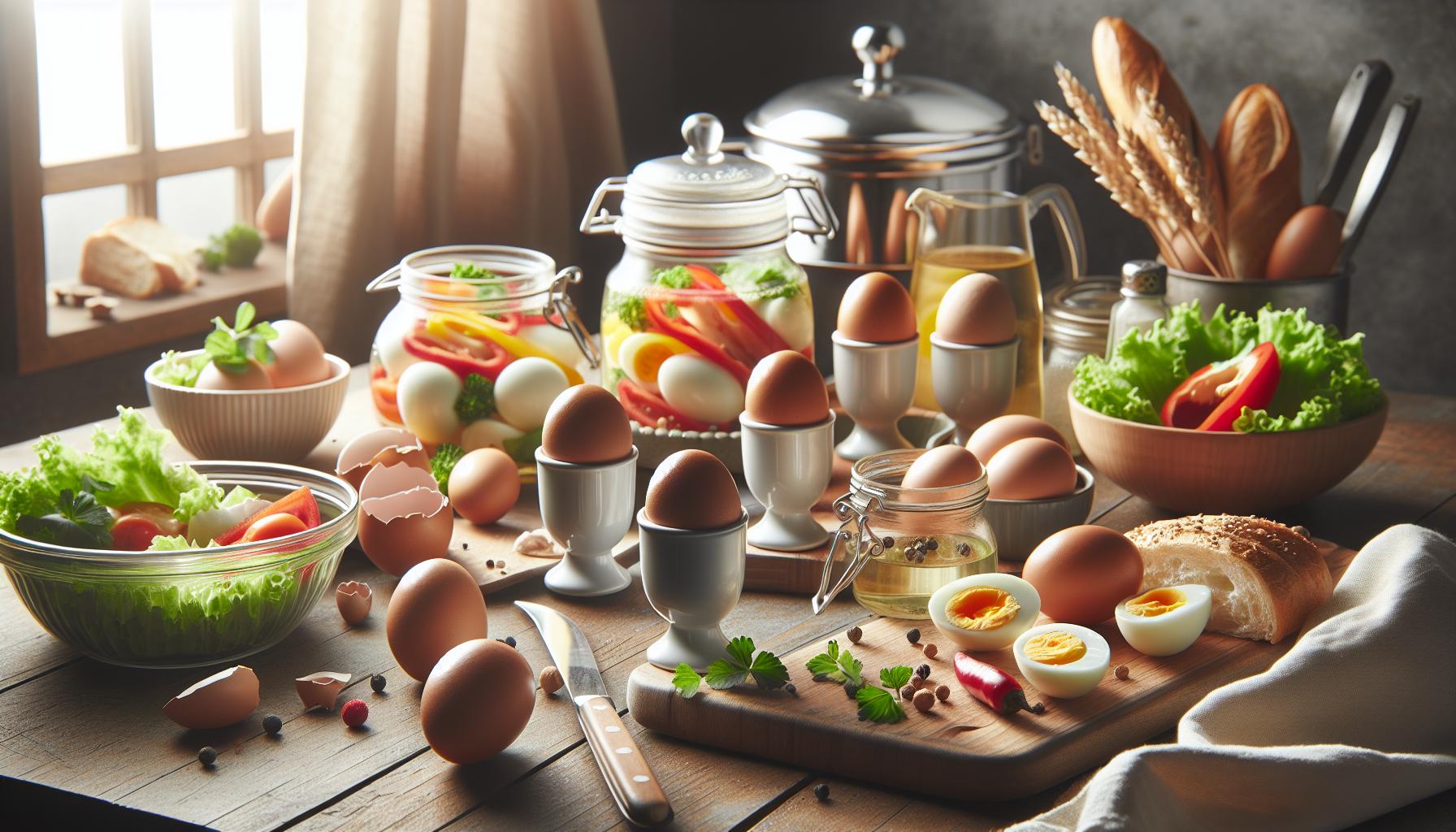
Storage and Reheating Tips to keep Your Eggs Fresh
Keeping Your Boiled Eggs Fresh and Tasty
Once you’ve perfected the art of boiling eggs, knowing how to store and reheat them properly ensures that their creamy yolks and firm whites stay delightful for future meals. To maintain freshness, refrigerate your boiled eggs as soon as they are cool. The best way to do this is to keep them in their shells, which act as a natural barrier to bacteria and moisture loss. Store them in a covered container in the main part of the refrigerator—not the door—to maintain a consistent temperature. Generally, boiled eggs can last for up to one week in the fridge.
Easy Reheating methods
When it comes time to enjoy your boiled eggs, reheating can be a simple task. Here are two effective methods:
- Warm Water Method:
– Place the eggs (still in their shells) in a bowl and cover them with hot water. Let them sit for about 10-15 minutes or until warmed through.
- microwave Method:
– if you’re in a hurry, you can gently microwave the boiled egg. Place the egg in a microwave-safe dish, add a little water to create steam, and cover it with a microwave-safe lid or plate. Heat in short intervals of 15-20 seconds, checking for doneness as it can easily overcook.
Practical Storage tips
- Timing Is Key: always mark the date on your egg container so you can easily keep track of their freshness. Aim to consume boiled eggs within a week for optimal flavor and texture.
- avoid Shell Cracking: If you have already peeled your boiled eggs, store them submerged in water in an airtight container to keep them moist.
- Check for Freshness: If you’re unsure about the freshness of your eggs, you can do a simple water test. Place the egg in a bowl of water; fresh eggs will sink, while older eggs may float due to air pockets forming inside them.
Variations to Enjoy Your Eggs
- Deviled Eggs: Mash the yolks with mayo, mustard, and spices to create a creamy filling.
- Egg Salad: Combine chopped boiled eggs with mayo, celery, and seasonings for a delicious sandwich spread.
- Pickled Eggs: Soak boiled eggs in a vinegar solution with spices and herbs for a tangy treat.
- Curry Eggs: Add boiled eggs to a rich coconut curry sauce for an exotic twist.
- Spiced Scrambled Eggs: Chop the boiled eggs and toss them in a pan with spices and vegetables for a quick scramble.
With these storage and reheating methods, plus a few variations, your boiled eggs can remain a flavorful and versatile addition to your menu, enhancing your meals throughout the week.
Key Takeaways
Now that you’ve mastered the art of boiling eggs, it’s time to enjoy your perfect results! Remember, whether you prefer a soft, runny yolk or a firm, hard-boiled texture, the key is to time your cooking just right. Experiment with different boiling durations to discover what you love best—cooking is all about finding what suits your taste!
Feel free to get creative with seasonings,dips,or even turning your boiled eggs into a delightful salad. Don’t hesitate to adapt these methods to fit your preferences; after all, cooking should be a fun and personal experience.
As you continue your culinary journey, keep exploring other egg recipes and techniques.Each experiment brings you closer to becoming a more confident cook.Enjoy the process, share your successes, and never stop learning! Happy cooking!
Get our latest guides, news, and insights highlighted in your Google Search & AI Overviews.


