

Golden-brown and buttery, the aroma of perfectly seared mahi mahi transports you to a sun-soaked seaside dining experience. Bursting with flavor, this quick and healthy dish is a family favorite, offering a delightful balance of crispy exterior and tender interior. Get ready to impress with this simple yet authentic recipe that transforms dinner into a gourmet experience. Let’s dive into the preparation!
Ingredients You’ll Need for Perfectly Fried Mahi Mahi
main Ingredients
To achieve perfectly fried mahi mahi that rivals restaurant quality, selecting the right ingredients is crucial. Each component brings a unique flavor and texture that enhances the dish, making it a delightful centerpiece for any meal.
- Mahi Mahi Fillets (about 1 pound) – Fresh or frozen; substitute with another firm white fish like swordfish or snapper if necessary.
- All-Purpose Flour (1 cup) – For coating the fish; use cornmeal for a gluten-free option or panko breadcrumbs for extra crunch.
- salt (1 teaspoon) – Enhances the fish’s natural flavor; sea salt or kosher salt can be used as alternatives.
- Black Pepper (½ teaspoon) – Adds a bit of heat; substitute with white pepper for a milder taste.
- Olive Oil or Vegetable Oil (½ cup) – For frying; can use coconut oil for a tropical twist.
Preparation
Careful preparation is key to ensuring that your mahi mahi is fried to perfection.Follow these methodical steps to set yourself up for success.
- Pat the Mahi mahi dry with paper towels to remove excess moisture. This helps the coating adhere better and achieve a crisp texture.
- Season the fish generously with salt and pepper on both sides. This enhances the fish’s natural flavors.
- Coat the fillets evenly in flour, shaking off any excess. A light coating nicely envelops the mahi mahi, helping it to crisp up beautifully.
- Heat the oil in a large skillet over medium-high heat until shimmering, roughly 3-5 minutes. A hot pan ensures that the fish sears correctly.
- Carefully place the coated fillets into the skillet, cooking for about 4-5 minutes on one side without moving them to form a golden crust.
- Flip the fillets gently and fry for an additional 3-4 minutes until cooked through and flaky.
Equipment
Having the right tools can substantially affect your cooking experience and the quality of your dish.
- large Skillet – Essential for frying, providing a wide area for even cooking.
- Fish Turner or Spatula – Recommended for flipping the delicate fish without breaking it apart.
- Paper Towels – useful for drying the fish and absorbing excess oil post-frying.
Serving and Storage
Serve your flawlessly fried mahi mahi immediately for the best taste and texture. Pair with a refreshing salad or steamed vegetables for a balanced meal. If you have leftovers, store them in an airtight container in the refrigerator for up to 2 days. To reheat, gently warm in a skillet to retain that crispy exterior.
Variations
Change the flavor profile of your mahi mahi with these exciting alternatives:
- Cajun Spiced Mahi Mahi – Add Cajun seasoning to the flour for a spicy kick.
- Herbed Lemon Butter Sauce – Drizzle a rich,herbed butter sauce over the fish just before serving for added richness.
- Asian-Inspired Marinade – Marinate the fish in soy sauce, ginger, and garlic before coating for an umami boost.
Essential Kitchen Equipment for Frying Fish
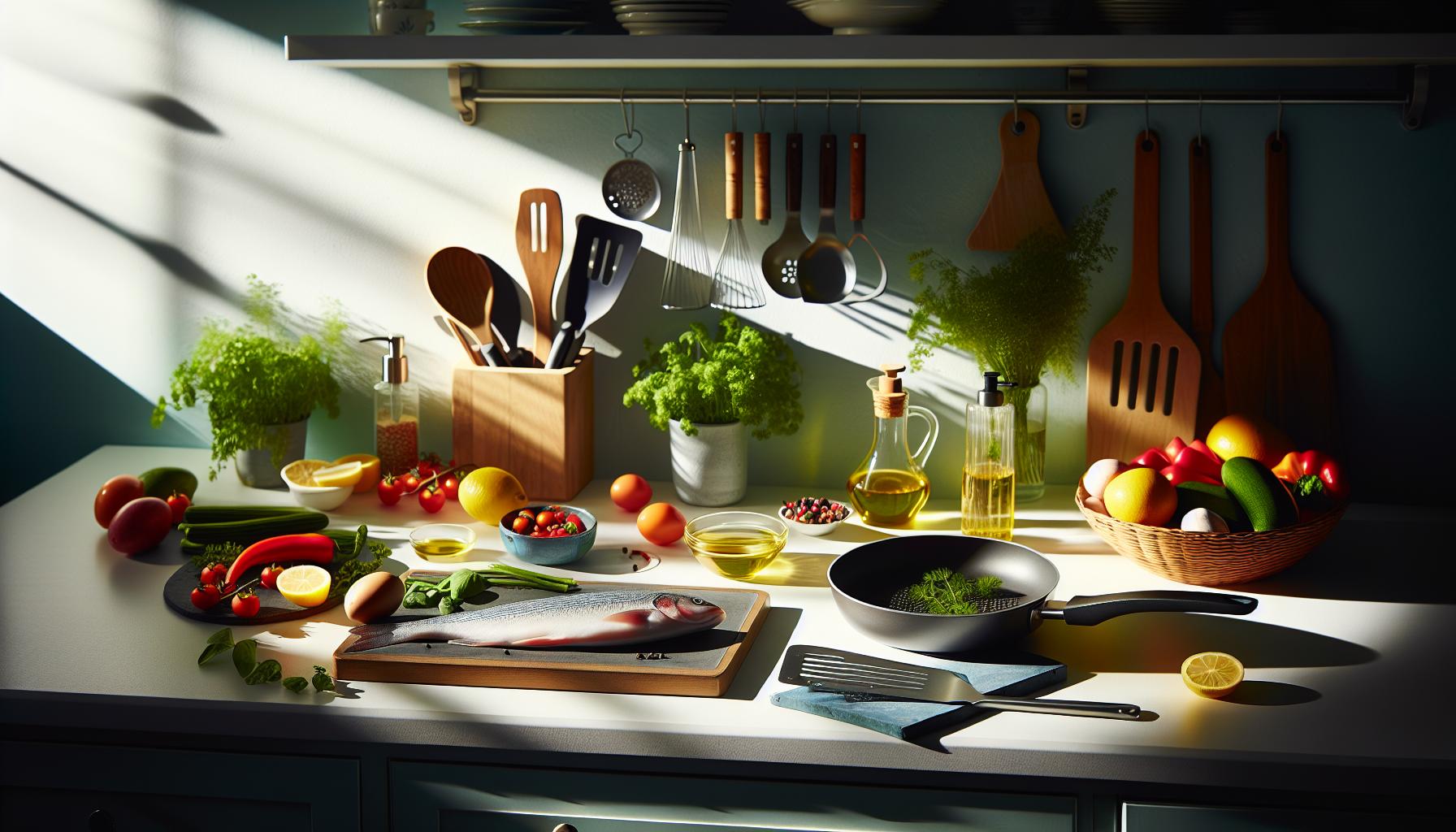
To achieve perfectly fried mahi mahi that is golden brown and crispy on the outside while remaining moist and flaky on the inside, having the right equipment is crucial. Each piece of equipment plays a vital role in delivering restaurant-quality results that will impress your family and friends.
Key Equipment for Frying Fish
- Deep Fryer or Heavy-Duty Pot: A durable deep fryer or a large heavy-duty pot is essential for frying. this allows you to hold ample oil for deep-frying, ensuring that the mahi mahi cooks evenly without becoming greasy.
- Propane Burner: If using an outdoor setup, a propane burner delivers high heat efficiently, which is necessary for achieving that perfect frying temperature. A burner rated at 50,000 BTUs ensures quick heating and consistent performance [[1]].
- Frying Thermometer: A frying thermometer is crucial for monitoring oil temperature. The ideal frying temperature for mahi mahi is around 350°F to 375°F. Maintaining this temperature ensures a crispy exterior while keeping the inside tender.
- Skimmer or Slotted Spoon: A skimmer or slotted spoon helps to remove the mahi mahi from the hot oil without excess grease, making for a healthier and more appealing presentation.
- Cooling Rack: A cooling rack placed over a baking sheet allows excess oil to drain away from the fried fish, ensuring it remains crisp as it cools.
serving and Storage Tips
Once your mahi mahi is perfectly fried, serve it immediately for the best texture and flavor. if there’s any leftover fish, store it in an airtight container in the refrigerator for up to 2 days. Reheat in a toaster oven to restore its crispiness rather of using a microwave.
Variations
- Different Fish: Experiment with other white fish varieties such as snapper or cod for diverse flavor profiles.
- Breading Options: Try using panko breadcrumbs for extra crunch or a cornmeal mixture for a Southern-style twist.
- Spicy Addition: Incorporate cayenne pepper or hot sauce into the breading for a kick of heat.
- Herb-Infused Oil: Fry your fish in oil infused with herbs like thyme or rosemary for an aromatic twist.
- Gluten-Free Option: Substitute regular flour with almond flour or rice flour for a gluten-free version.
With the right equipment and techniques, your fried mahi mahi will be a delightful experience, bursting with flavor and that mouth-watering crispiness that everyone loves.
Simple Preparation Steps for Mahi Mahi
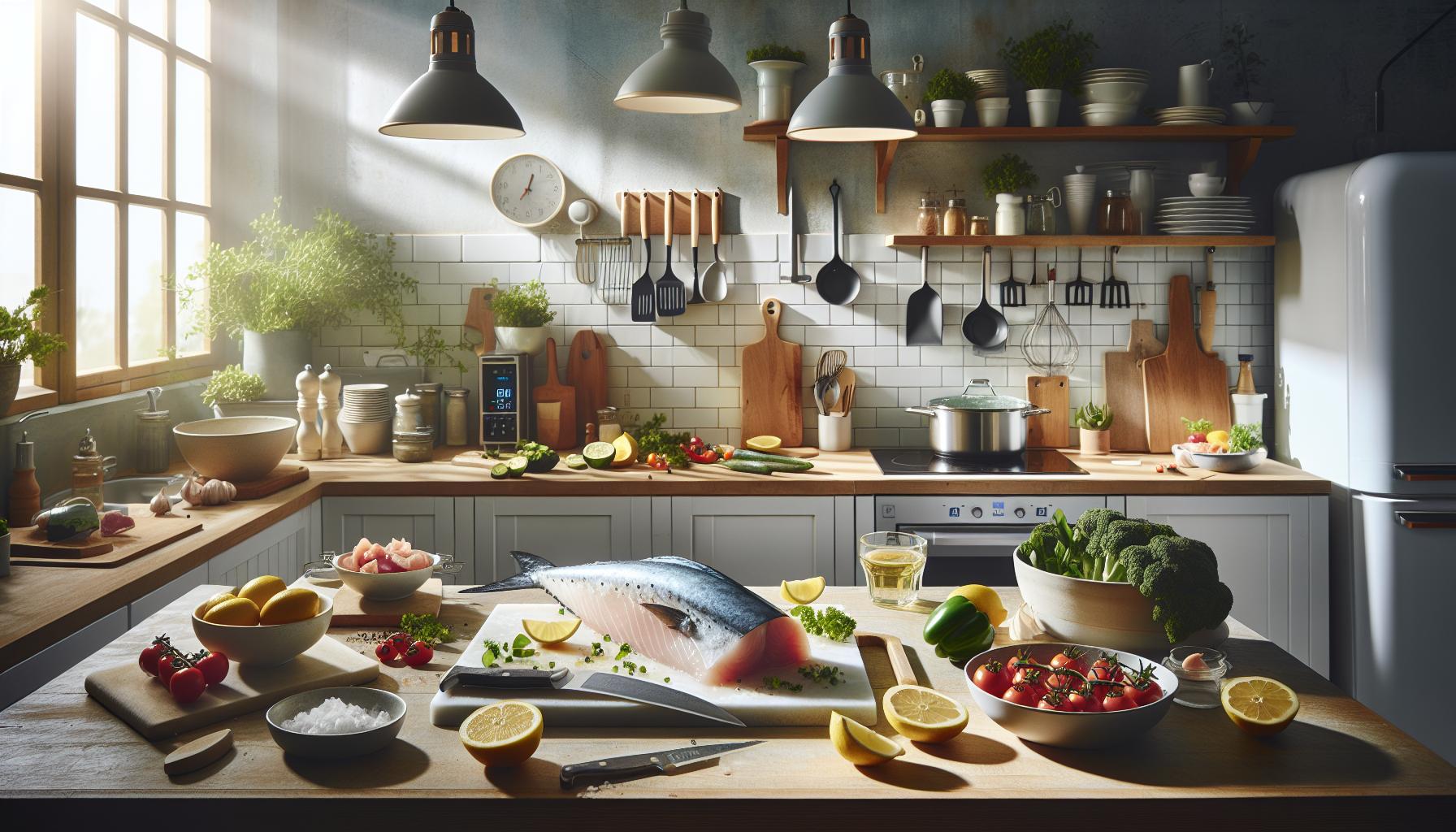
Main Ingredients
- 2 mahi mahi fillets (6 oz each) (substitute: any firm white fish, such as snapper or tilapia)
- 2 tablespoons olive oil (substitute: canola oil or melted butter)
- 1 teaspoon salt (to taste)
- 1/2 teaspoon black pepper (freshly ground preferred)
- 1 teaspoon garlic powder (or fresh minced garlic)
- Juice of 1 lemon (or lime for a different twist)
Preparation Steps
- pat the mahi mahi fillets dry with paper towels to remove excess moisture. This ensures a gorgeous sear and prevents steaming.
- Season both sides of the fillets generously with salt, black pepper, and garlic powder, allowing the flavors to penetrate the fish.
- Heat the olive oil in a large skillet over medium-high heat until shimmering, about 2-3 minutes. A hot pan is essential for achieving a golden crust.
- Carefully place the fillets in the hot skillet, laying them away from you to avoid splatter. Cook for about 4-5 minutes on each side, or until golden brown and the fish flakes easily with a fork.
- Drizzle with fresh lemon juice during the last minute of cooking to enhance the flavor. Serve immediately for the best taste and texture.
Essential Equipment
- Large Skillet: A heavy-bottomed skillet ensures even heat distribution for perfect frying.
- Spatula: A flexible spatula helps in flipping the delicate fish without breaking it apart.
- paper Towels: Useful for patting the fish dry and absorbing excess oil post-cooking.
Serving and Storage
To serve, place the crispy mahi mahi fillets on a plate with a wedge of lemon on the side. They pair beautifully with a light salad or steamed veggies. for storage, place any leftover fillets in an airtight container and refrigerate for up to 2 days. Reheat gently in a skillet over low heat to avoid drying out.
Variations
- herb-Crusted Mahi Mahi: Add fresh herbs like dill or parsley to the seasoning for a refreshing twist.
- Spicy Mahi Mahi: Incorporate chili powder or cayenne pepper into the seasoning blend for a kick.
- Honey Garlic Glaze: Brush with a mixture of honey and minced garlic toward the end of cooking for a sweet and savory finish.
Enjoy the satisfying crunch of perfectly fried mahi mahi, balanced with zesty lemon notes that will have your taste buds singing. Each bite should melt in your mouth, revealing a tender, flaky interior that brings the essence of coastal dining right to your table.
Step-by-Step cooking Instructions for Crispy Mahi Mahi
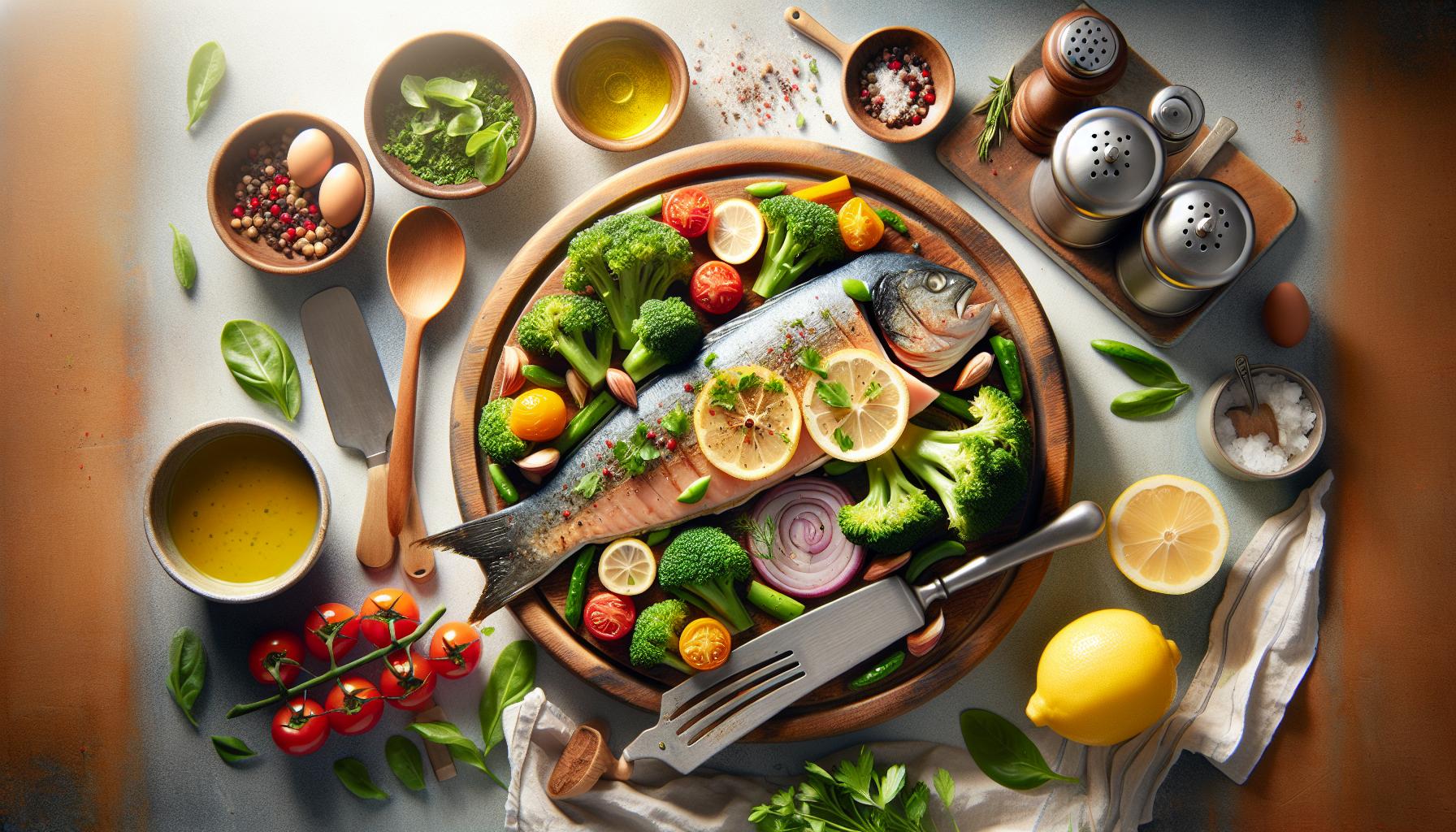
Main Ingredients
- 4 mahi mahi fillets (approximately 6 ounces each)
- 1 cup all-purpose flour (or cornmeal for a gluten-free option)
- 2 large eggs, beaten
- 1 cup panko breadcrumbs (or regular breadcrumbs)
- Salt and pepper to taste
- Oil for frying (vegetable or canola)
Essential Equipment
- Frying Pan: A heavy-bottomed skillet ensures even heat distribution for crispy results.
- Cooking Thermometer: This will help you maintain the oil temperature for perfect frying.
- Shallow Bowls: For dredging the fish in flour,egg,and breadcrumbs,these will streamline your process.
- Slotted Spoon: Ideal for removing the fish from the hot oil while allowing excess oil to drip off.
Preparation
- Pat the mahi mahi dry: This step is crucial to ensure the coating adheres well and achieves maximum crispiness.
- Season the fish: Lightly sprinkle salt and pepper on both sides of the fillets, enhancing their natural flavor.
- Prepare the dredging stations: Set up three shallow bowls; one with flour, the second with beaten eggs, and the third with panko breadcrumbs.
Cooking instructions
- Dredge the fillets: First,coat each mahi mahi fillet in flour,shaking off excess. Next,dip into the beaten eggs,and press into the panko breadcrumbs,ensuring an even coating.
- Heat the oil: In a frying pan, pour enough oil to cover the bottom and heat it over medium-high heat until it reaches 350°F (175°C).
- Fry the mahi mahi: Carefully place the breaded fillets in the hot oil, leaving space between them. fry for about 3-4 minutes on each side, or until golden brown and cooked through.
- Drain and serve: Use a slotted spoon to remove the mahi mahi from the oil. Place them on paper towels to drain excess oil, and serve immediately for maximum crispiness.
Serving and Storage
Serve your crispy mahi mahi fillets hot, garnished with fresh herbs or a side of mango salsa to balance the richness. For optimal flavor, enjoy them within 30 minutes of frying. If you have leftovers, store them in an airtight container in the refrigerator for up to two days. to reheat while maintaining crispness, consider using an air fryer or an oven rather than a microwave.
Variations
- Spicy Crust: Add cayenne pepper to the flour or breadcrumbs for a spicy kick.
- Herbed Coating: Mix dried herbs such as dill or basil into the breadcrumbs for an aromatic touch.
- Parmesan Panko: Combine grated Parmesan cheese with panko for an added depth of flavor.
- Fish Tacos: Use the cooked mahi mahi in warm tortillas with cabbage slaw and avocado for a flavorful taco night.
- Butter Basting: For a richer flavor, baste the fish with melted butter during the last minute of frying.
Delicious Serving Suggestions for Your Fried Fish
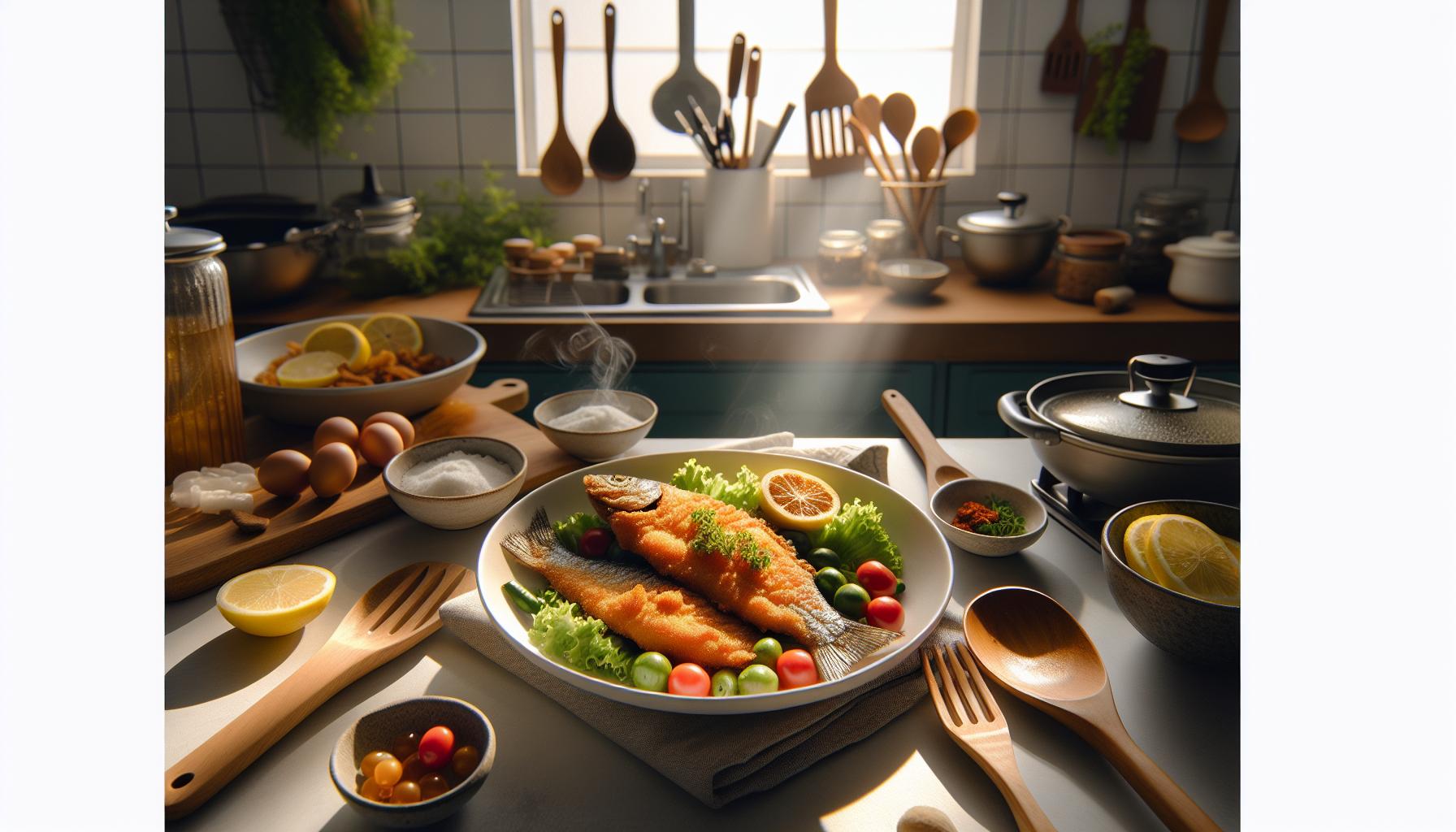
Mouth-Watering Accompaniments for Fried Mahi Mahi
when indulging in the crispy delight of fried mahi mahi, the right accompaniments can elevate your meal from ordinary to unusual. The flaky, tender flesh of the mahi mahi pairs beautifully with a variety of vibrant sides and sauces that complement its natural flavor. Imagine serving your fried fish alongside a zesty mango salsa that enhances its taste with sweet, juicy bursts and a hint of acidity. Alternatively, a tangy lime aioli can provide a creamy contrast that lingers on the palate, perfectly offsetting the crispiness of the fish.
For a heartier offering, consider a bed of garlic sautéed greens, such as spinach or kale, that infuse the plate with a rich aroma while adding a nutritional boost. If you’re looking for something more conventional, a side of buttery mashed potatoes or seasoned rice can help absorb the delightful flavors of the mahi mahi’s crust, creating a symphony of textures and tastes.
Main Ingredients
- mahi Mahi Fillets (1 to 2 fillets per person)
- All-Purpose Flour (1 cup) (can substitute with gluten-free flour)
- Cornmeal (1 cup) (or use panko breadcrumbs for extra crunch)
- Eggs (2, beaten)
- Salt and Pepper (to taste)
- Oil for Frying (enough to submerge the fillets)
preparation Steps
- Prepare the fish: Rinse the mahi mahi fillets under cold water and pat them dry with paper towels.
- Season the Fillets: Sprinkle salt and pepper evenly over both sides of the fish.
- Set Up Your Breading Station: In one bowl, place the flour; in a second bowl, the beaten eggs; and in a third bowl, combine the cornmeal and a pinch of salt.
- Bread the fish: dip each fillet first into the flour, then the egg, and finally coat with the cornmeal mixture, pressing lightly to adhere.
- Heat the Oil: in a large skillet, heat enough oil over medium-high heat until hot but not smoking (approximately 350°F).
- Fry the fillets: Carefully add the breaded fillets to the hot oil, cooking for about 4-5 minutes on each side until golden brown and crispy. Use a slotted spatula to remove and drain on paper towels.
Essential Equipment
- Skillet: Important for even cooking and achieving the perfect crispiness of the fish.
- Slotted Spatula: Helps remove the fried fish without letting excess oil drip onto the plate.
- Meat Thermometer: Ensures the internal temperature reaches 145°F for safe eating.
Serving and Storage Tips
Serve your fried mahi mahi immediately for the best texture and flavor. Pair it with your chosen salsa or sauce and perhaps a refreshing side salad. if you have leftovers, store the fish in an airtight container in the refrigerator for up to 2 days.Reheat in an oven to regain the crispy texture, avoiding the microwave which can make it soggy.
flavor Variations
- Spicy Cajun Style: Add a blend of Cajun spices to the flour for a kick of heat.
- Lemon-Pepper Twist: Mix lemon zest into the cornmeal for a refreshing citrus flavor.
- Coconut-Crusted: Substitute half of the cornmeal with unsweetened shredded coconut for a tropical touch.
- Herbed Breading: incorporate dried herbs like thyme or dill into the flour for added flavor depth.
- Savory Ratatouille: Serve with a side of ratatouille for a rustic Mediterranean flair.
Smart Storage and Reheating Tips for Leftover Mahi Mahi
When savoring the delightful taste of fried mahi mahi, it’s essential to know how to properly store and reheat your leftovers to preserve that wonderfully flaky texture and fresh flavor. To ensure your mahi mahi remains enjoyable,consider these strategic storage and reheating tips.
Smart Storage tips
- Place leftover fried mahi mahi in an airtight container to prevent moisture loss and protect it from absorbing any unwanted odors from the refrigerator.
- Ensure it’s cooled to room temperature before sealing it in the container to avoid steam buildup, which can make the fish soggy.
- Refrigerate the leftovers promptly—ideally within two hours of cooking—to maintain freshness. Follow this guideline for safety and flavor.
When stored properly in the refrigerator, your mahi mahi can last for up to three days. If you need to keep it longer, consider freezing it for a more extended shelf life. To freeze, wrap each piece tightly in plastic wrap and then place it in a freezer bag, pushing out as much air as possible. This method can preserve the fish’s quality for up to three months.
Reheating Leftover Mahi Mahi
To revive the mouthwatering essence of your fried mahi mahi, reheating it correctly is crucial. Here’s how:
- Preheat your Oven: Set your oven to 350°F (175°C). This temperature helps maintain the fish’s moisture without making it rubbery.
- Prepare the Fish: take the mahi mahi out of the refrigerator. To improve flavor, let it sit at room temperature for about 15 minutes to take the chill off.
- Place on Baking Sheet: Line a baking sheet with parchment paper or lightly grease it. Arrange the mahi mahi evenly without overlapping.
- Reheat in Oven: Heat for about 10-15 minutes, or until the internal temperature reaches 145°F (63°C) and the fish is warmed through. be careful not to overcook, as it can dry out.
Serving Suggestions
Once reheated, serve your mahi mahi with a fresh squeeze of lemon or alongside a vibrant salad for a burst of flavor that complements the fish. The aroma will tantalize your senses, reminding you of that delicious meal fresh off the stove.
Variations for Mahi Mahi
- Mahi Mahi Tacos: Use the reheated fish as a filling for soft corn tortillas, topped with slaw and avocado.
- Curry Mahi Mahi: flake the fish and mix it into a coconut curry for a rich, spicy dish.
- Mahi Mahi Salad: Dice the fish and toss it with mixed greens, cherry tomatoes, and a zesty vinaigrette.
- Fish sandwiches: Layer the reheated mahi mahi on a toasted bun with tartar sauce and pickles for a seafood sandwich delight.
By following these smart storage and reheating tips, you can enjoy your leftover mahi mahi while retaining that restaurant-quality taste and texture every time.
the Way Forward
Frying mahi mahi is a fantastic way to enjoy this delicious fish, and now you have all the tools you need to achieve restaurant-quality results right in your own kitchen! Remember to start with a hot skillet and the right amount of oil to get that lovely crispy exterior.Don’t hesitate to experiment with seasonings or add a splash of lemon for that extra zing. Cooking should be fun, so feel free to adapt the recipe to suit your tastes. Whether you’re a kitchen novice or a seasoned cook, creating a fantastic mahi mahi dish is totally within your reach. So grab your ingredients, gather your confidence, and let’s make some magic happen. Happy cooking, and don’t forget to share your delicious creations with friends and family!
Get our latest guides, news, and insights highlighted in your Google Search & AI Overviews.


